Articles
Plain-language guides to Canadian savings and investment accounts.
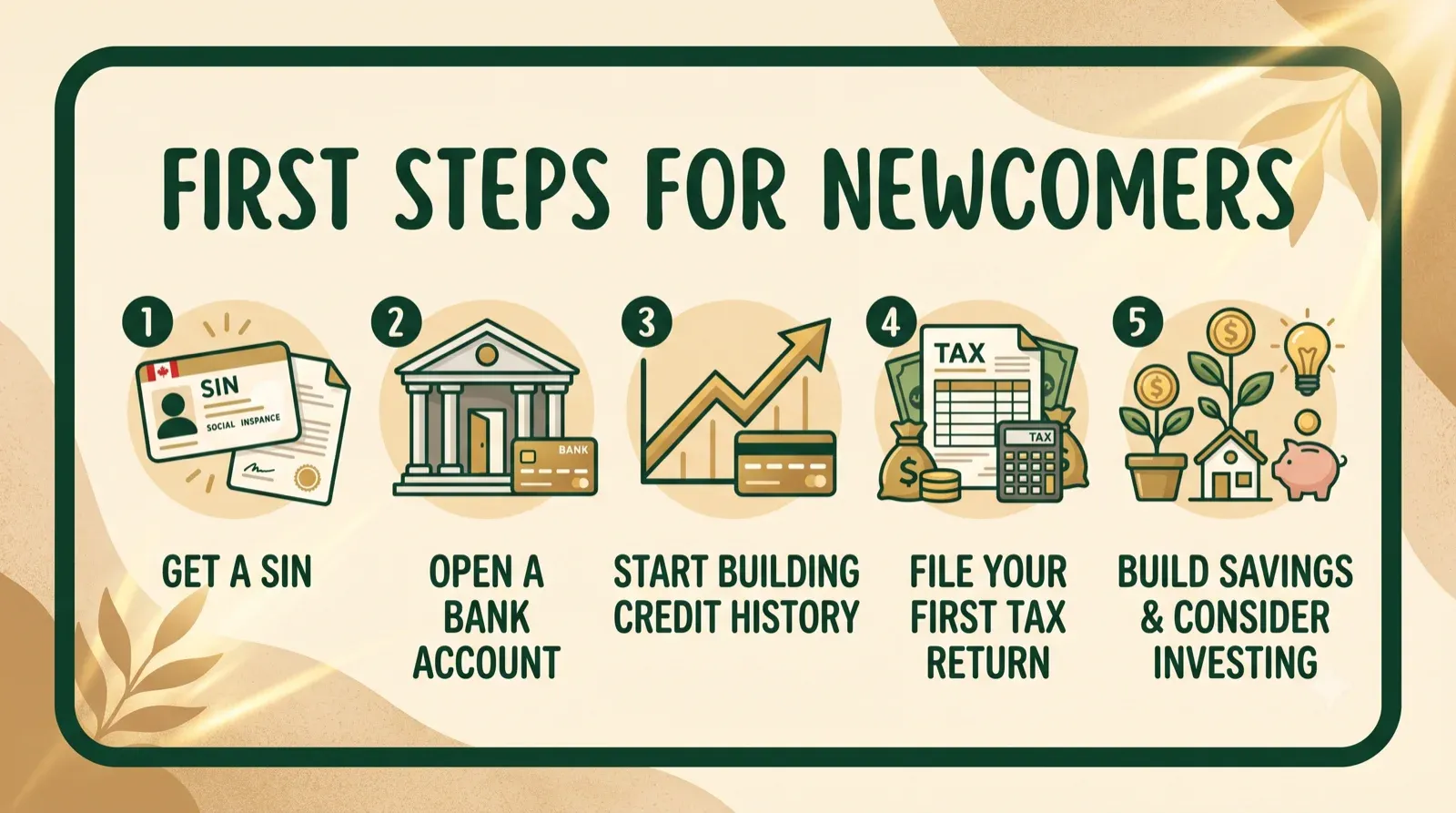
First steps for newcomers: SIN, bank account, credit history
The practical setup every newcomer completes before investing: getting a SIN, opening a bank account, understanding credit history, and filing your first tax return.
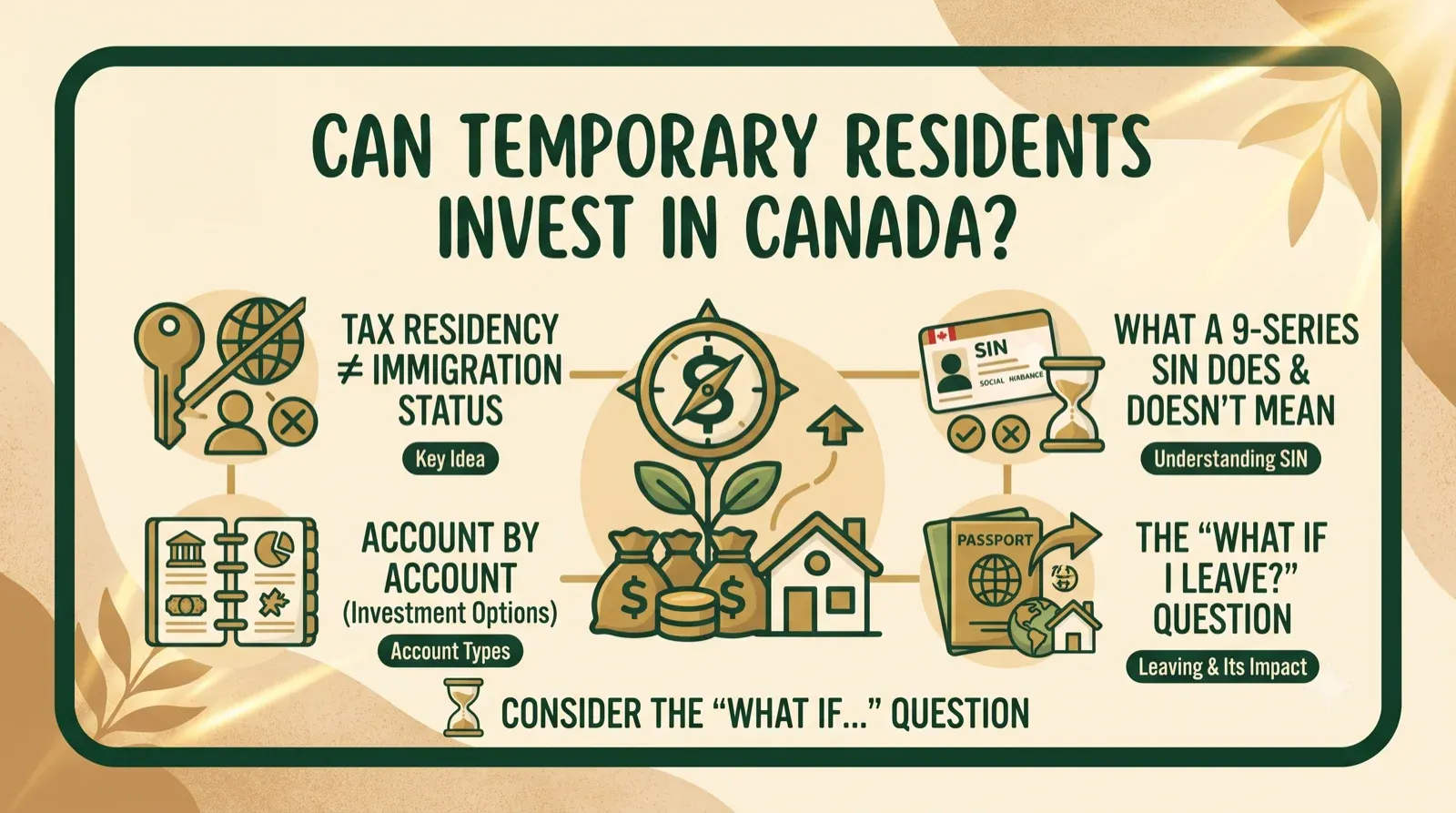
Can temporary residents invest in Canada?
Work permit, study permit, SIN starting with 9 — what actually decides whether you can open a TFSA or RRSP is tax residency, not immigration status.
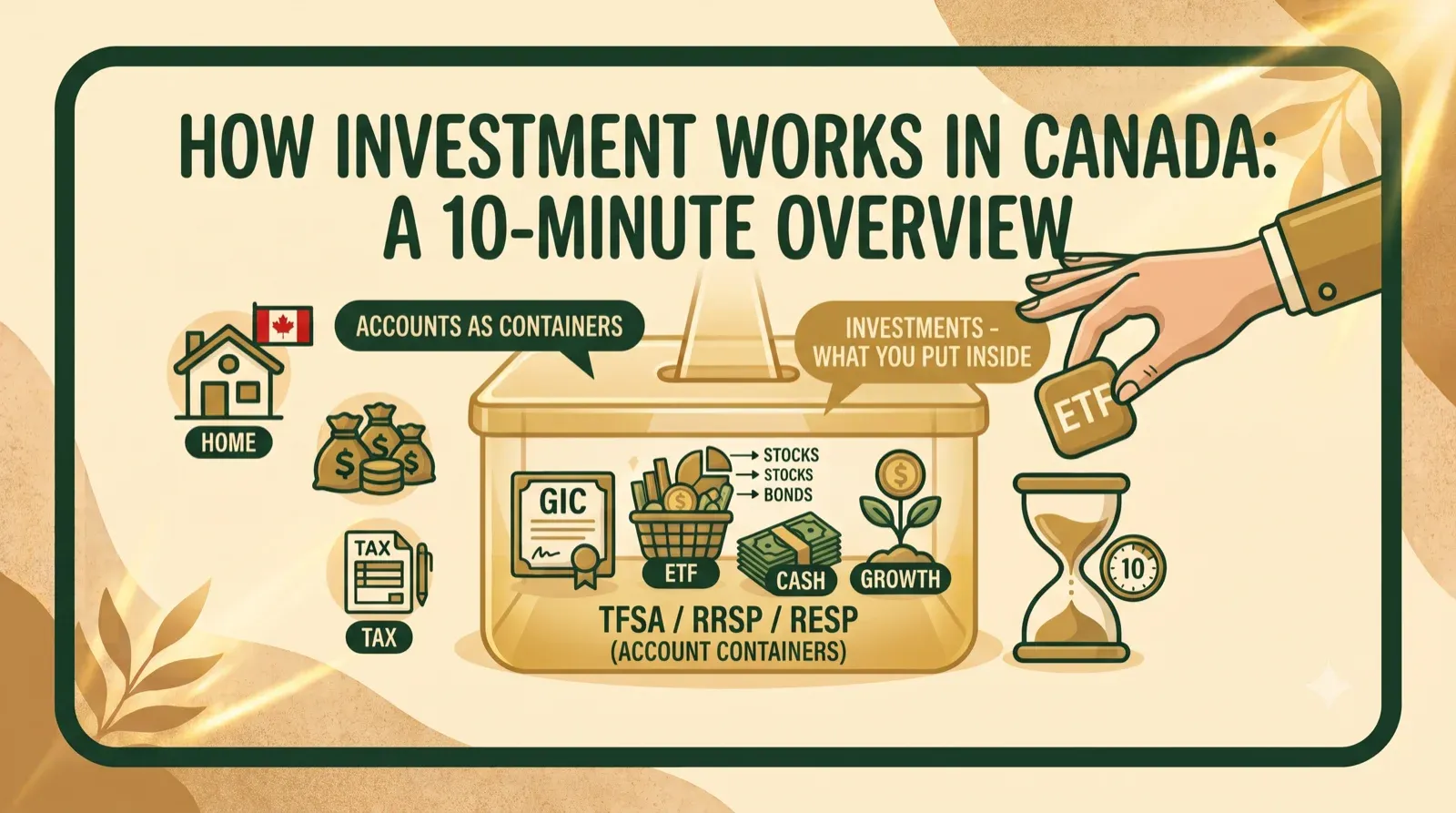
How investing works in Canada: a 10-minute overview
Accounts are containers, investments go inside them. Once you see the Canadian system this way, TFSA, RRSP, and ETFs stop being confusing.
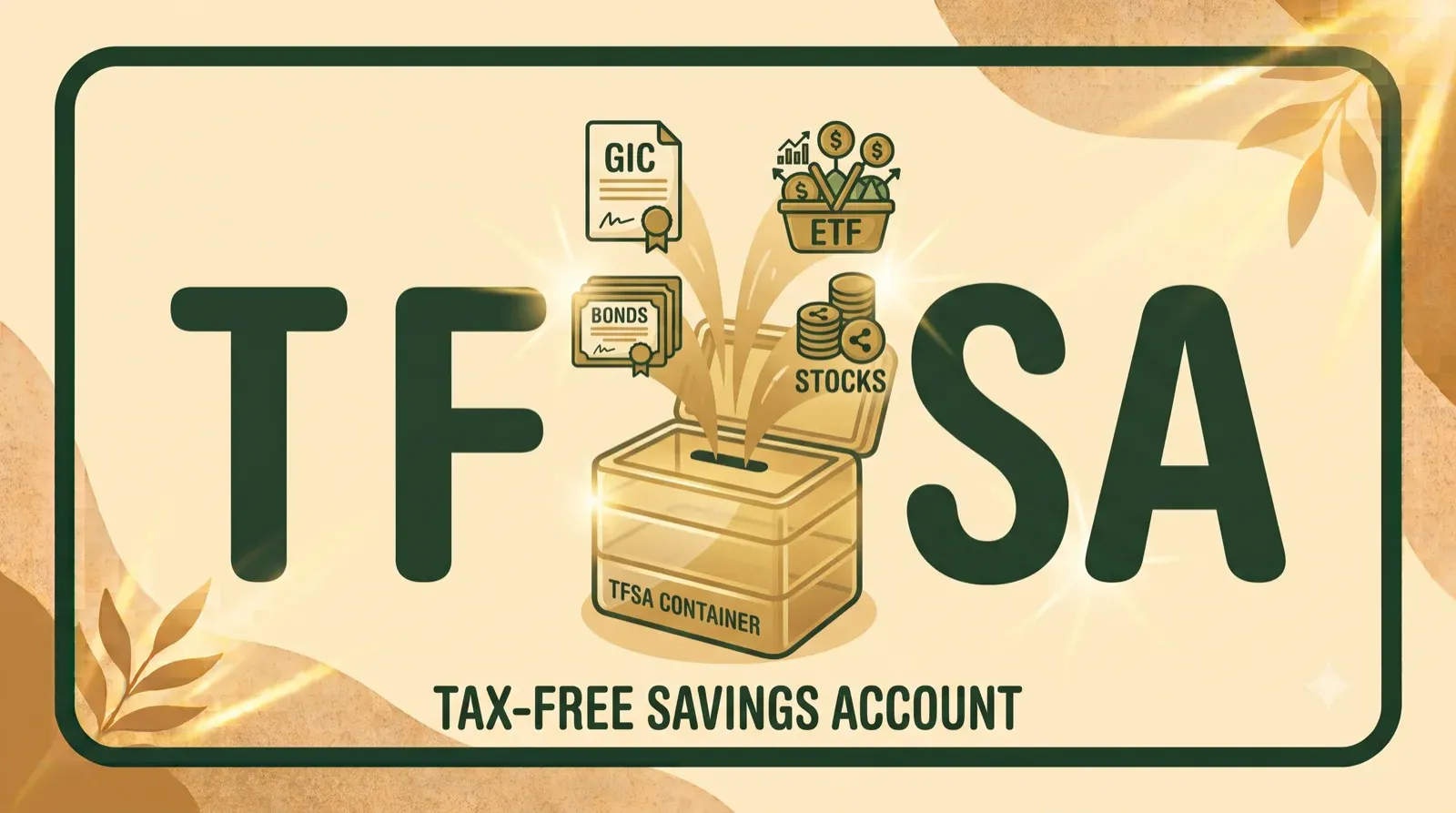
TFSA explained: the tax-free container almost everyone starts with
How the Tax-Free Savings Account really works: contribution room, the January 1 rule, what you can hold inside — and the mistakes that cost beginners money.
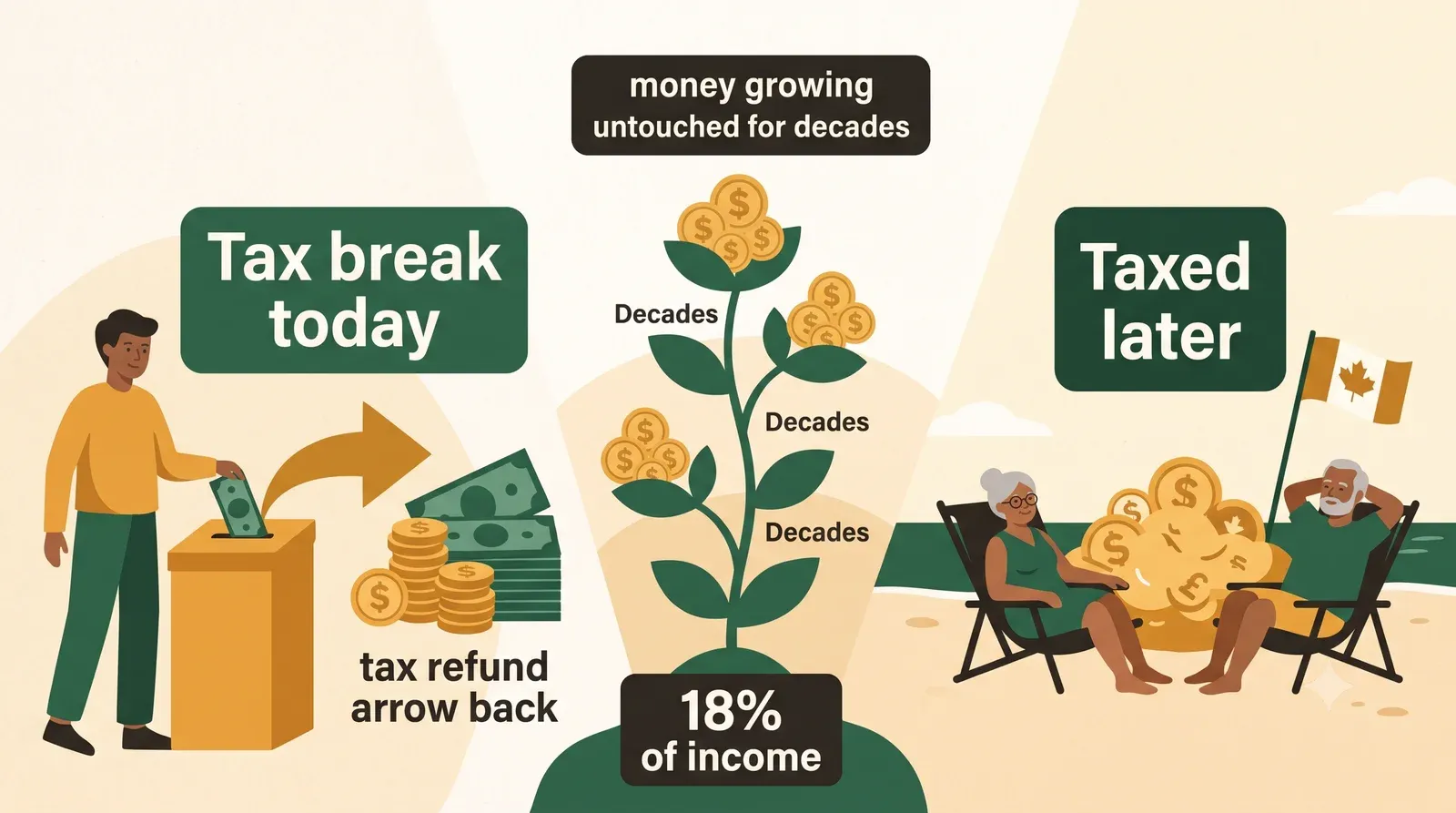
RRSP explained: the retirement account with an upfront reward
The Registered Retirement Savings Plan trades a tax break today for tax later. How contribution room is earned, what withdrawals really cost, and when an RRSP shines.
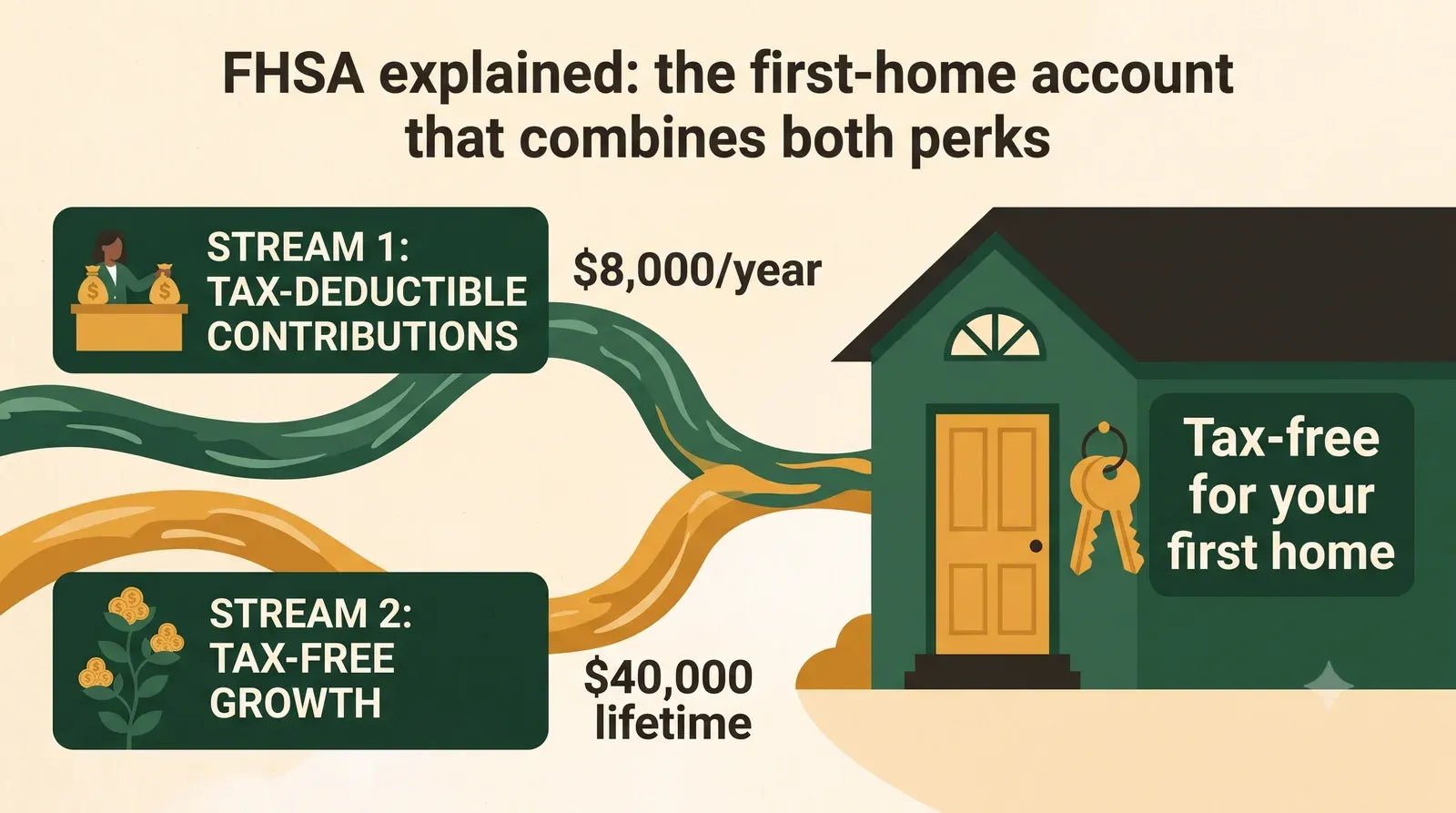
FHSA explained: the first-home account that combines both perks
The First Home Savings Account gives you an RRSP-style deduction going in and a TFSA-style tax-free withdrawal coming out — if the money buys your first home.
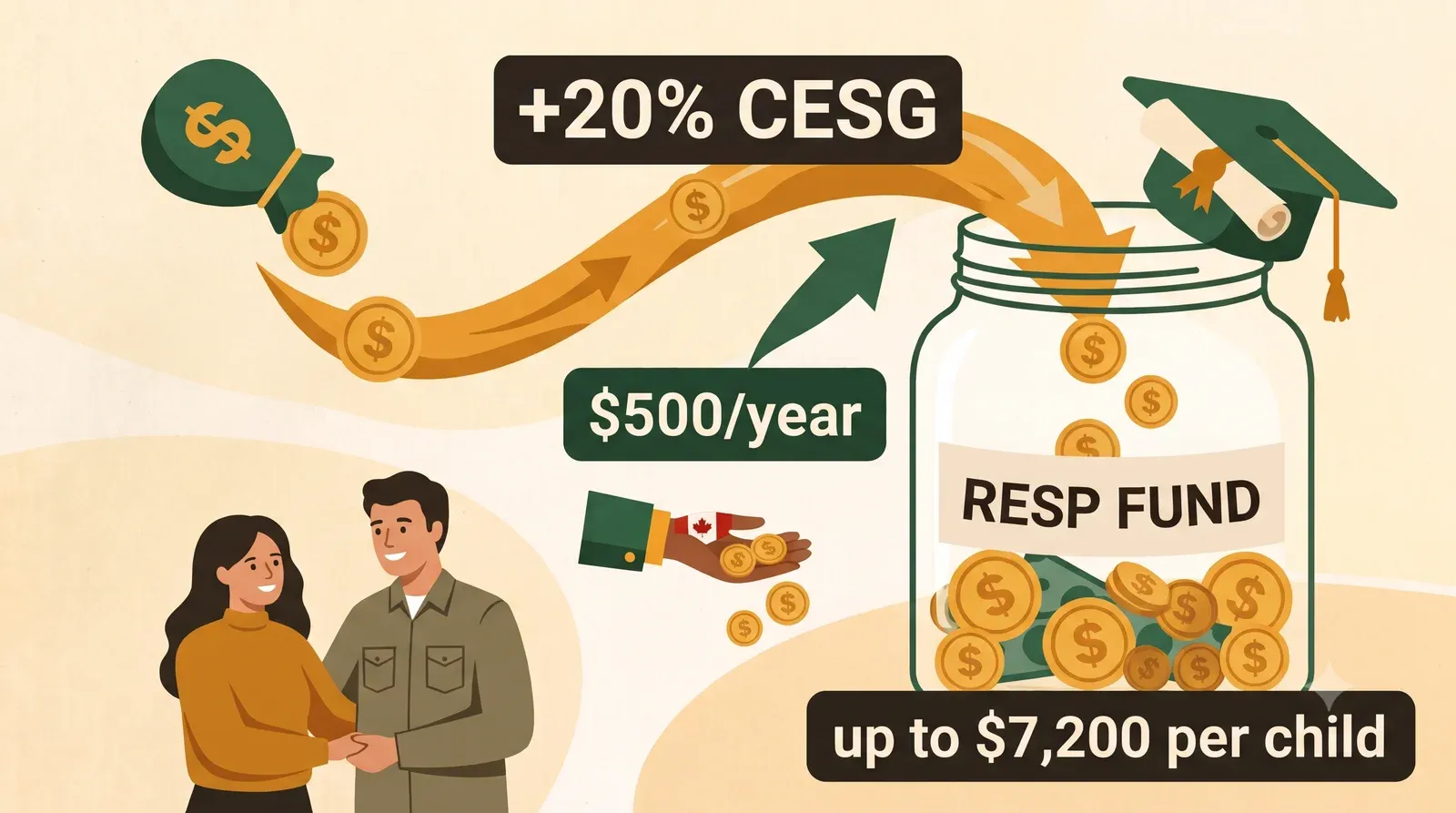
RESP explained: education savings with a 20% government match
The Registered Education Savings Plan is the only education account where the government adds money to yours — up to $7,200 per child. How the CESG works.
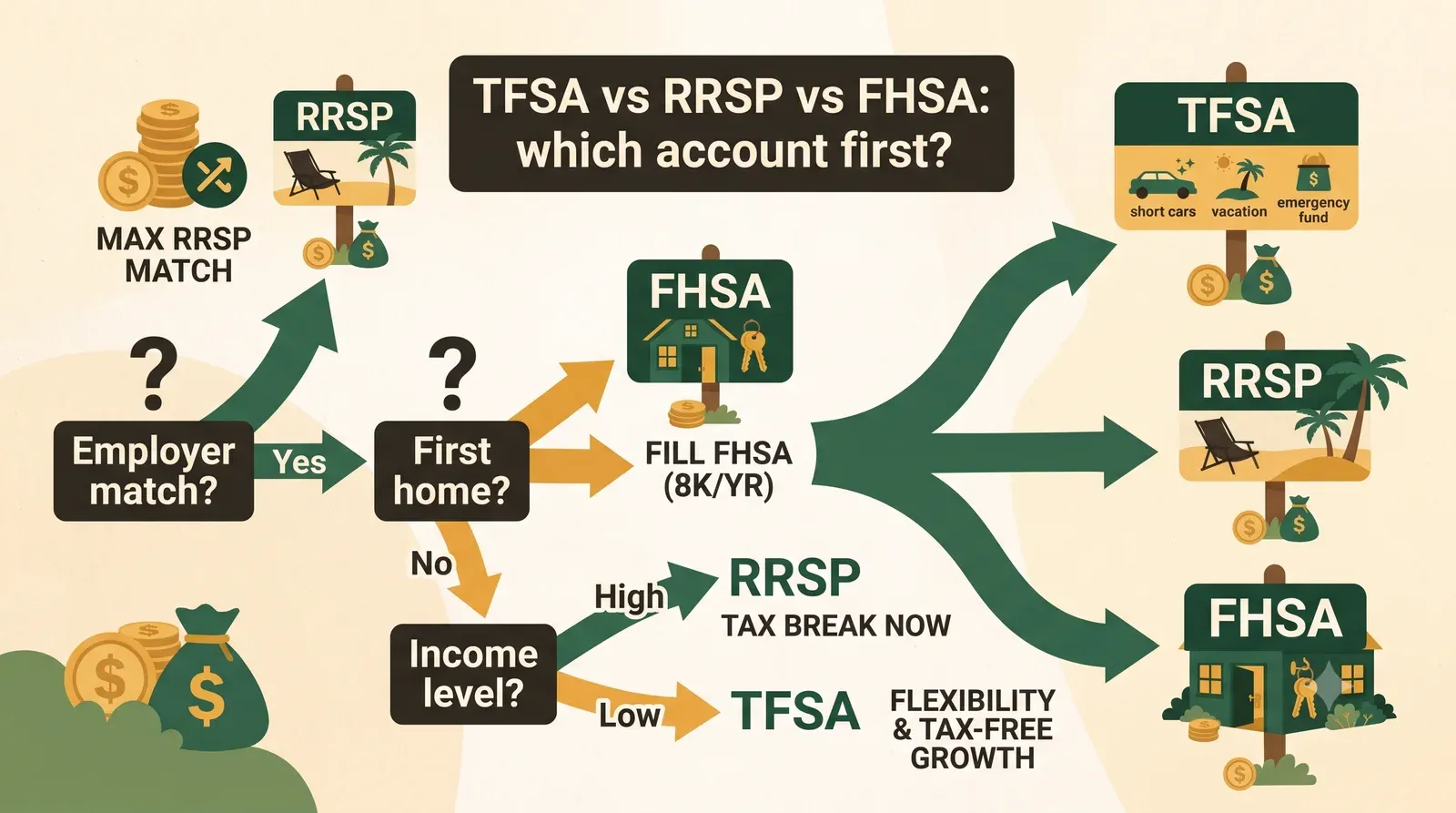
TFSA vs RRSP vs FHSA: which account first?
A step-by-step way to think through the classic beginner dilemma — employer match, home plans, income level — with the common patterns Canadians follow.
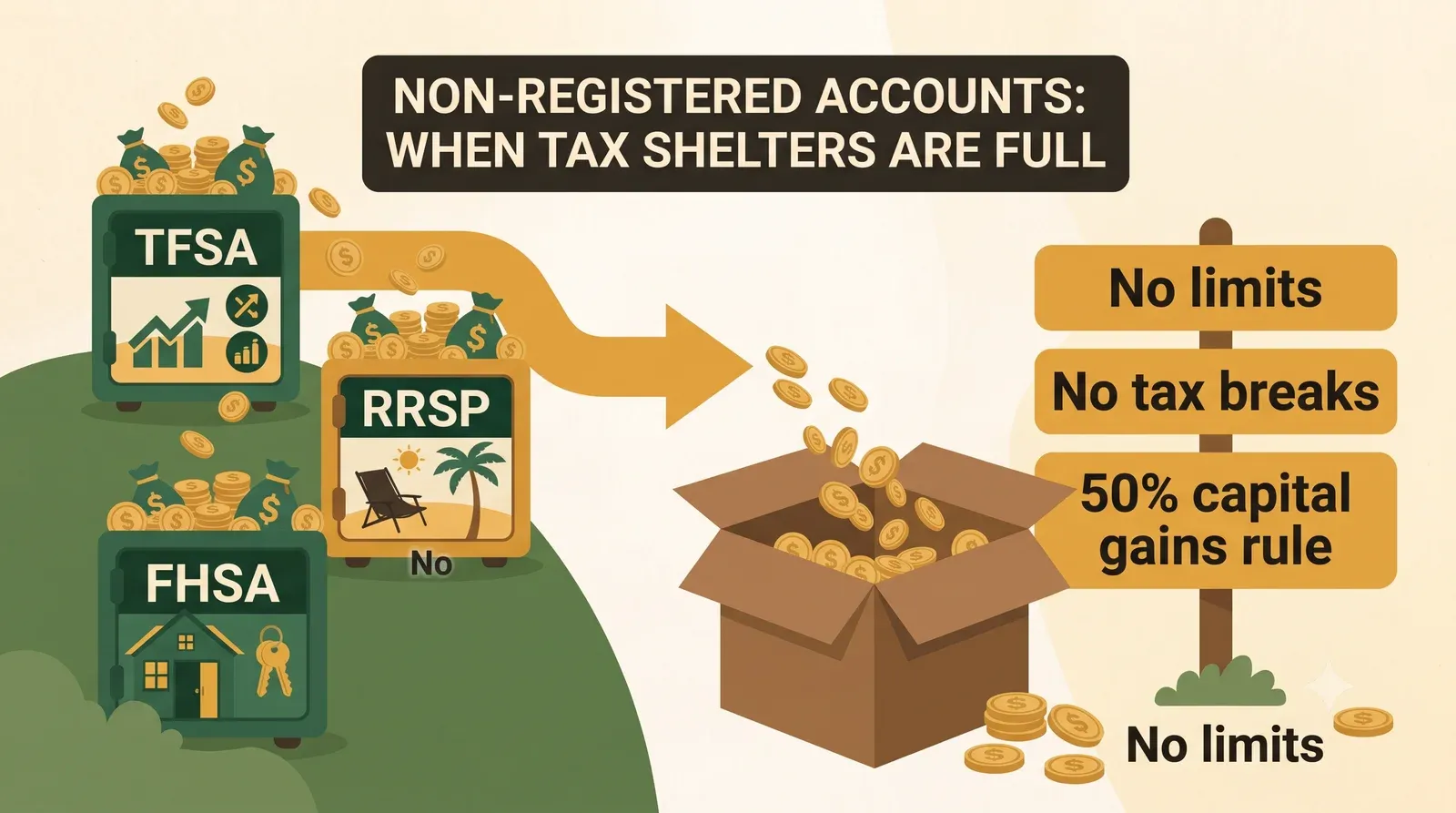
Non-registered accounts: when the tax shelters are full
The plain taxable investment account: no limits, no lock-ins, no perks. Who actually needs one, how gains and dividends are taxed, and the record-keeping habit that saves headaches.
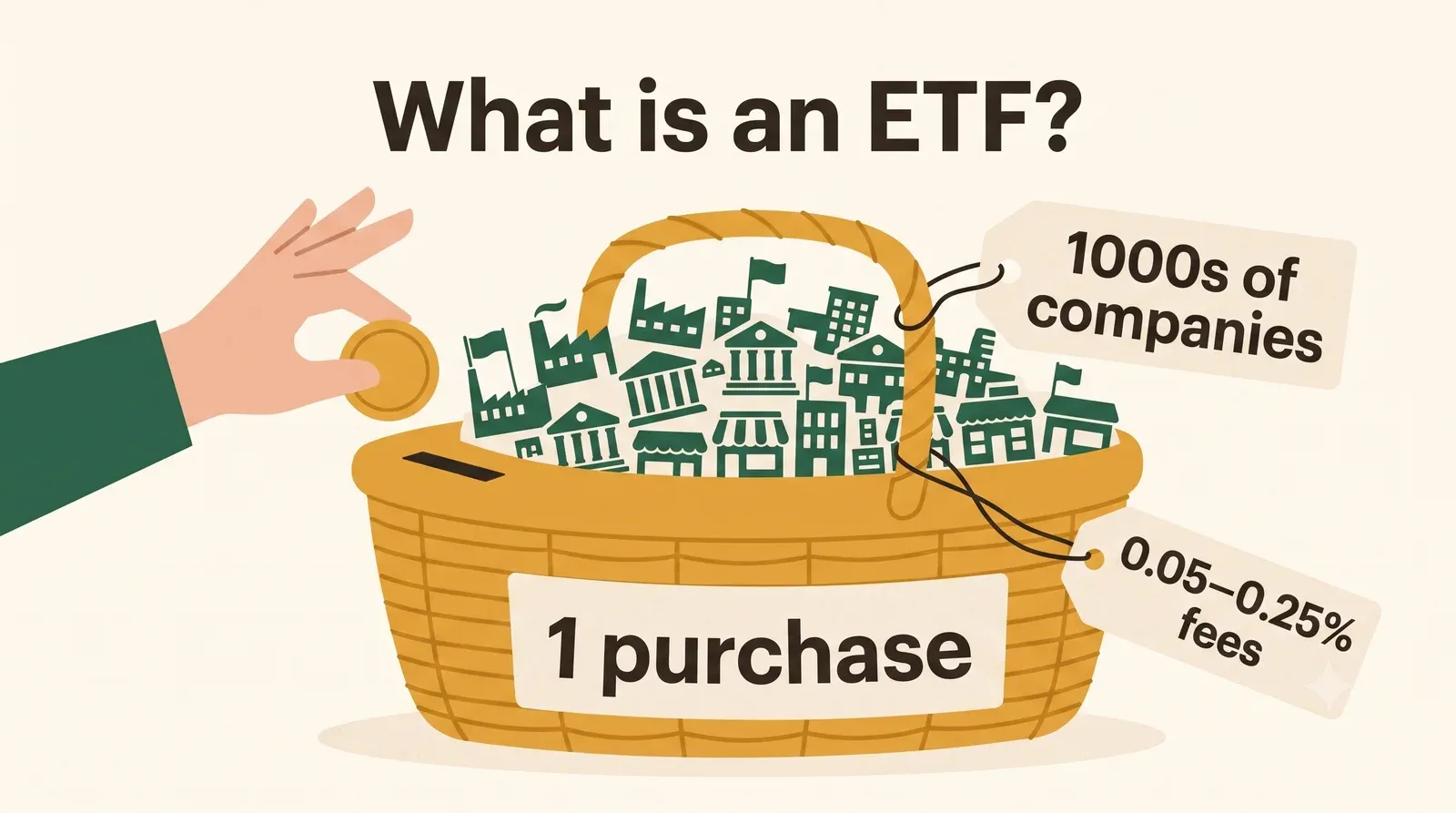
What is an ETF? The beginner's building block
An Exchange-Traded Fund is a basket of hundreds or thousands of investments you buy in one purchase. Why ETFs became the default answer for Canadian beginners.
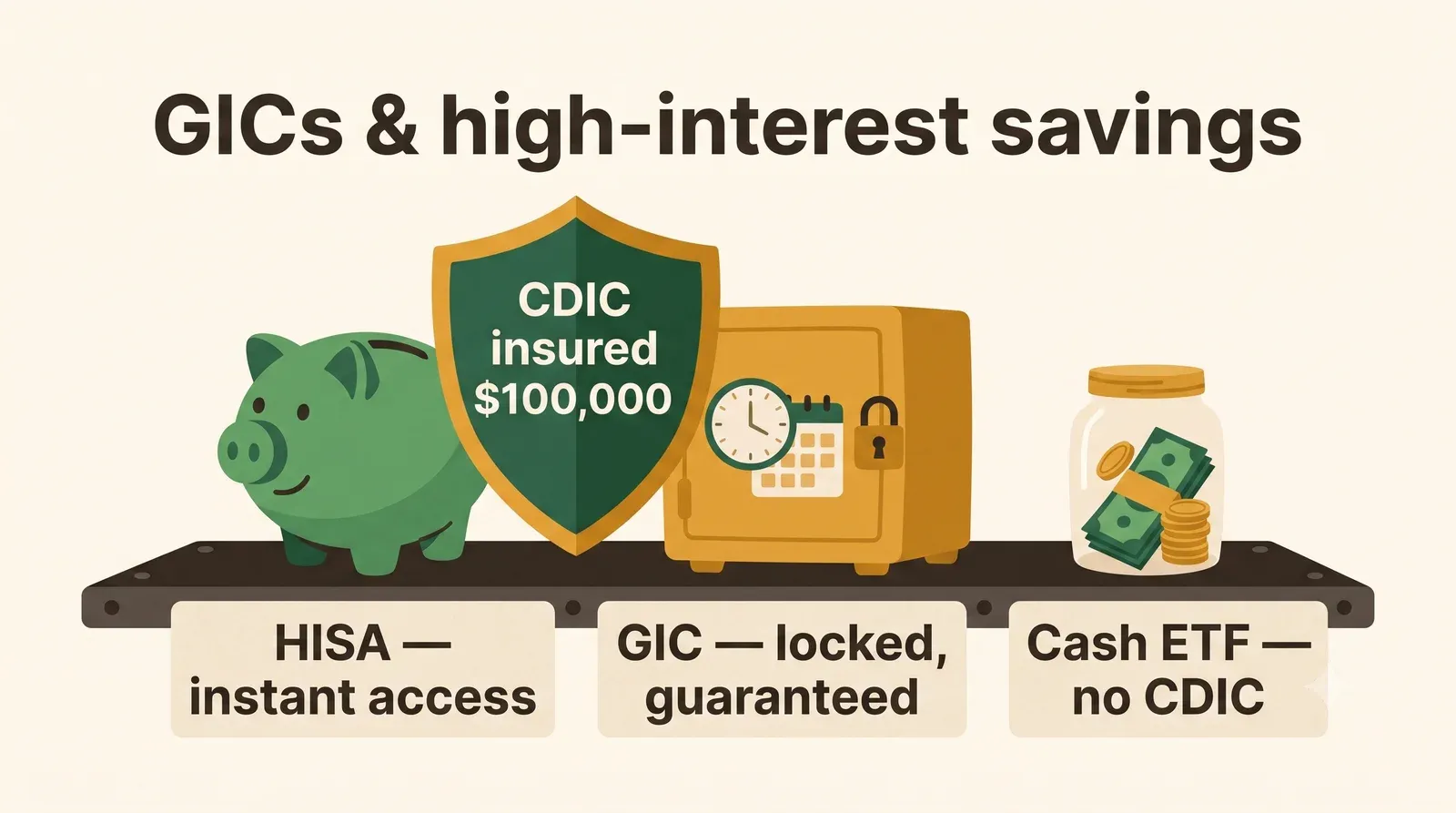
GICs and high-interest savings: the safe end of the ladder
Where money goes when it must not shrink: high-interest savings accounts, GICs, and cash ETFs — what each guarantees, what each pays, and where the catches are.
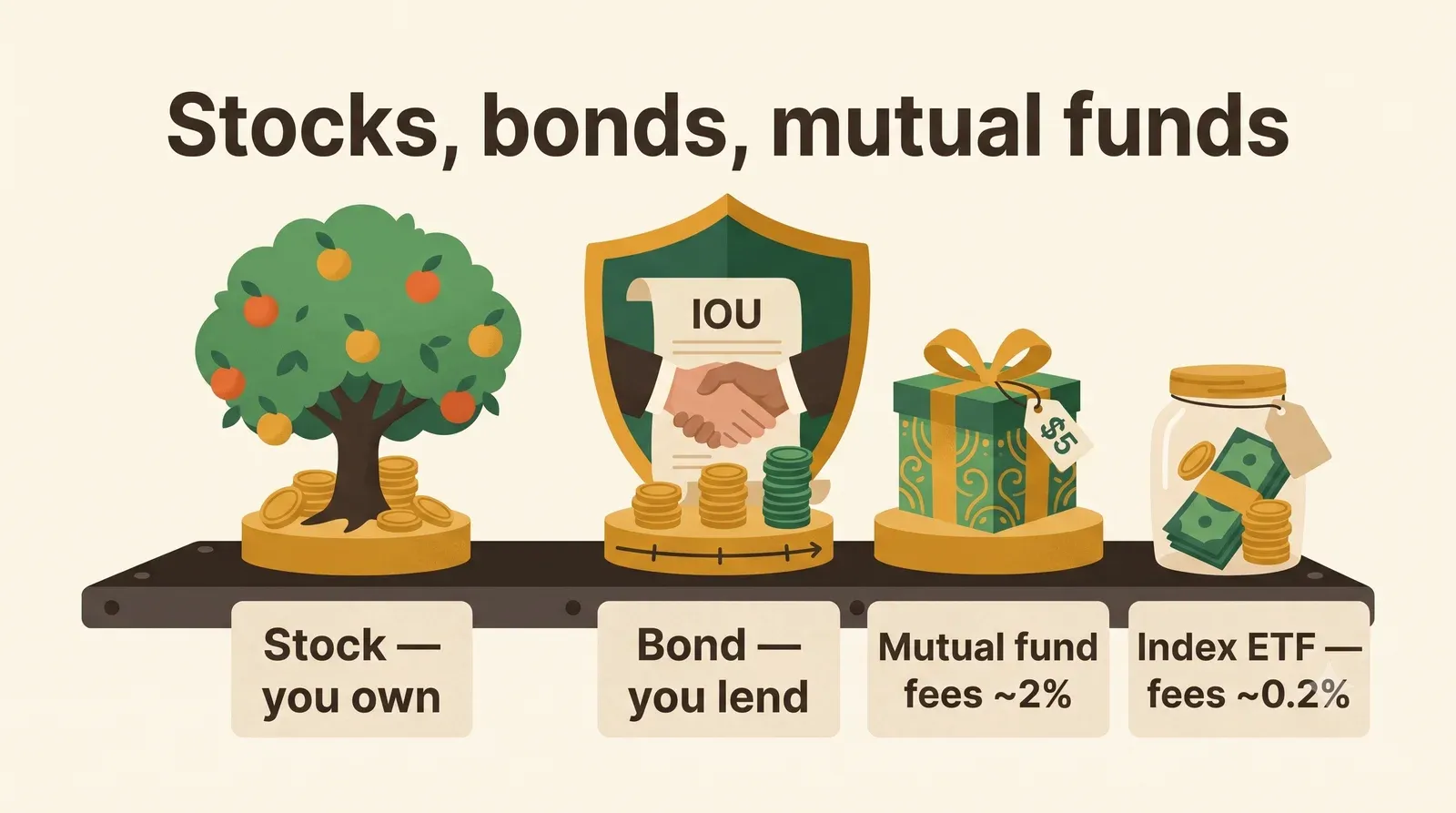
Stocks, bonds, mutual funds: an honest comparison
The three classic products behind every portfolio — what owning each actually means, what they return, what they cost, and why fees decide more than skill.
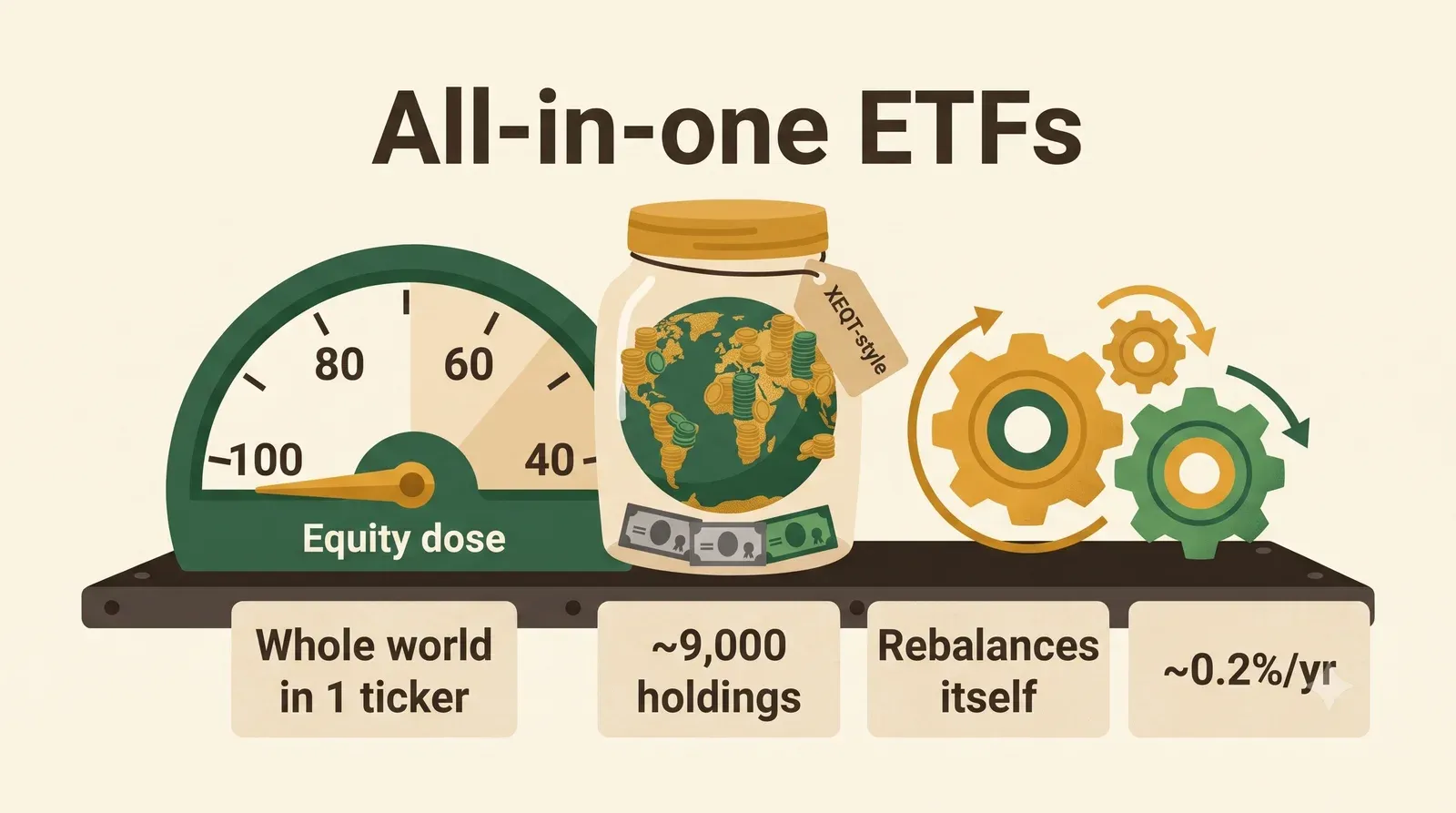
All-in-one ETFs: a whole portfolio in one purchase
XEQT, VEQT, VGRO and family — Canadian asset-allocation ETFs hold thousands of stocks and bonds, rebalance themselves, and cost about 0.2%. Why they became the beginner's default.
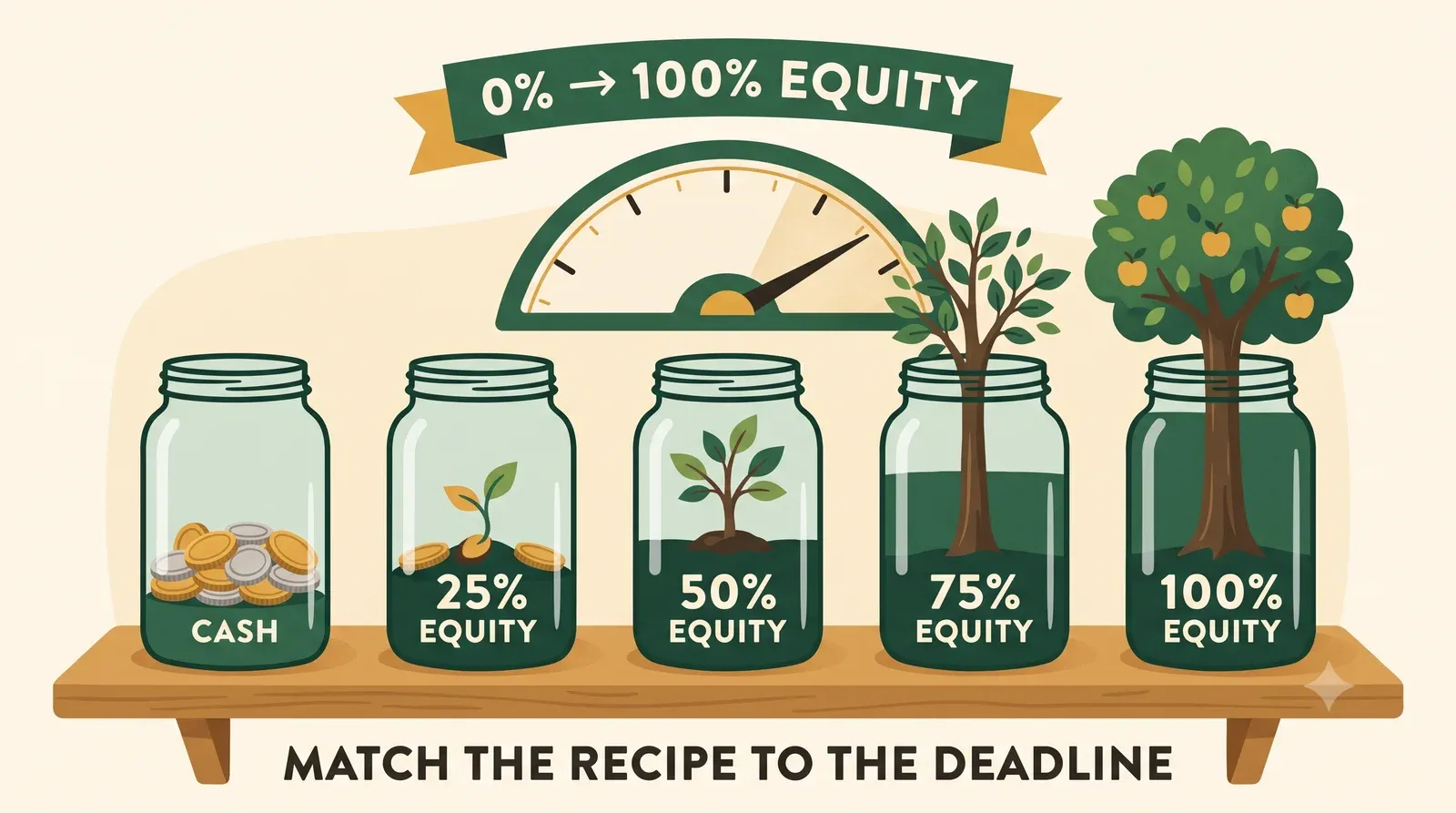
Model portfolios by risk level: five recipes, one dial
From the all-cash emergency fund to the 100%-equity retirement portfolio — the standard Canadian portfolio recipes, what each is for, and how bumpy each ride gets.
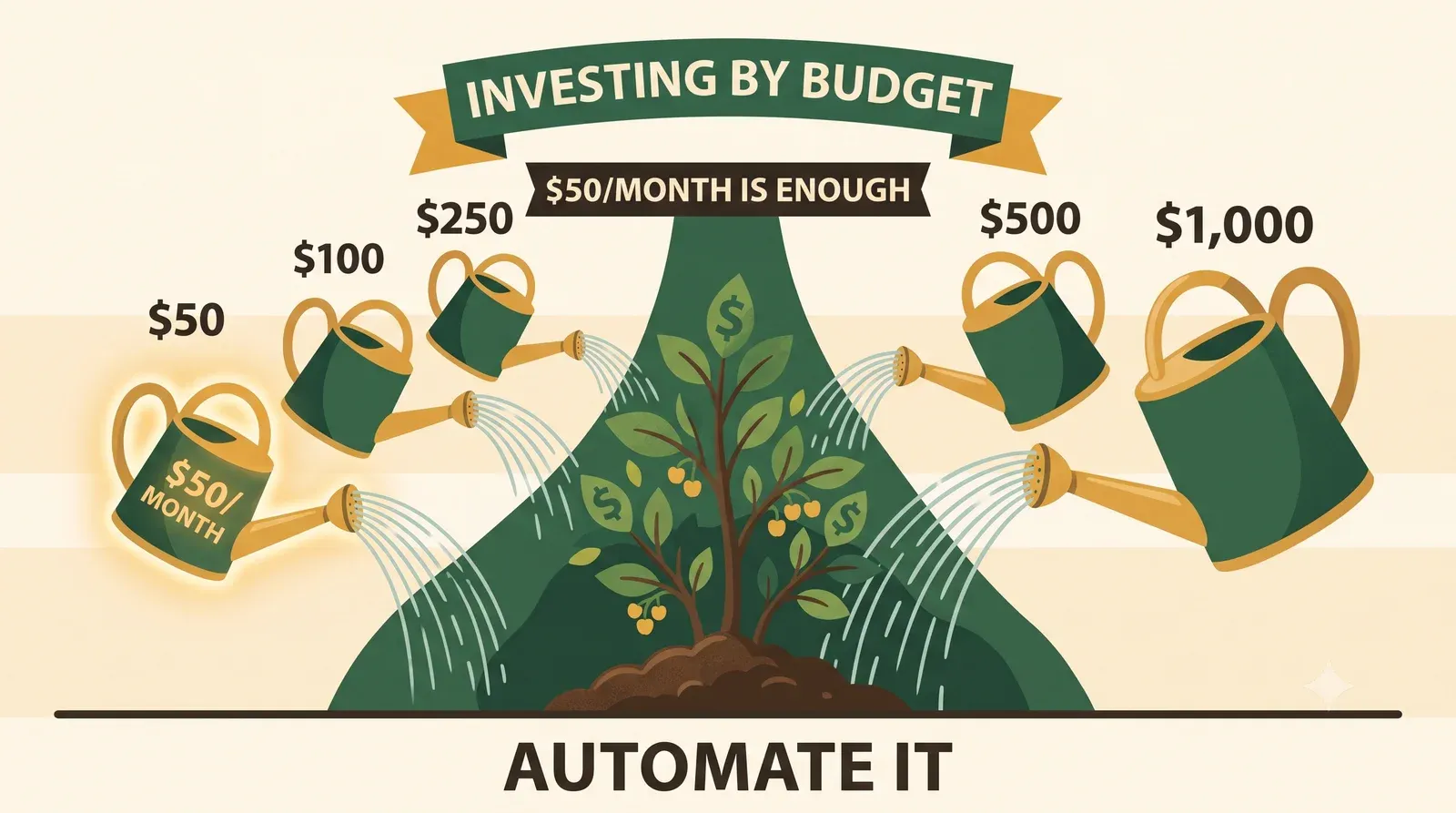
What to do with $50, $200, or $500 a month: action plans by budget
Investing in Canada scales down further than most people think. The common setups at five monthly budgets — and why the mechanics matter more at small amounts, not less.
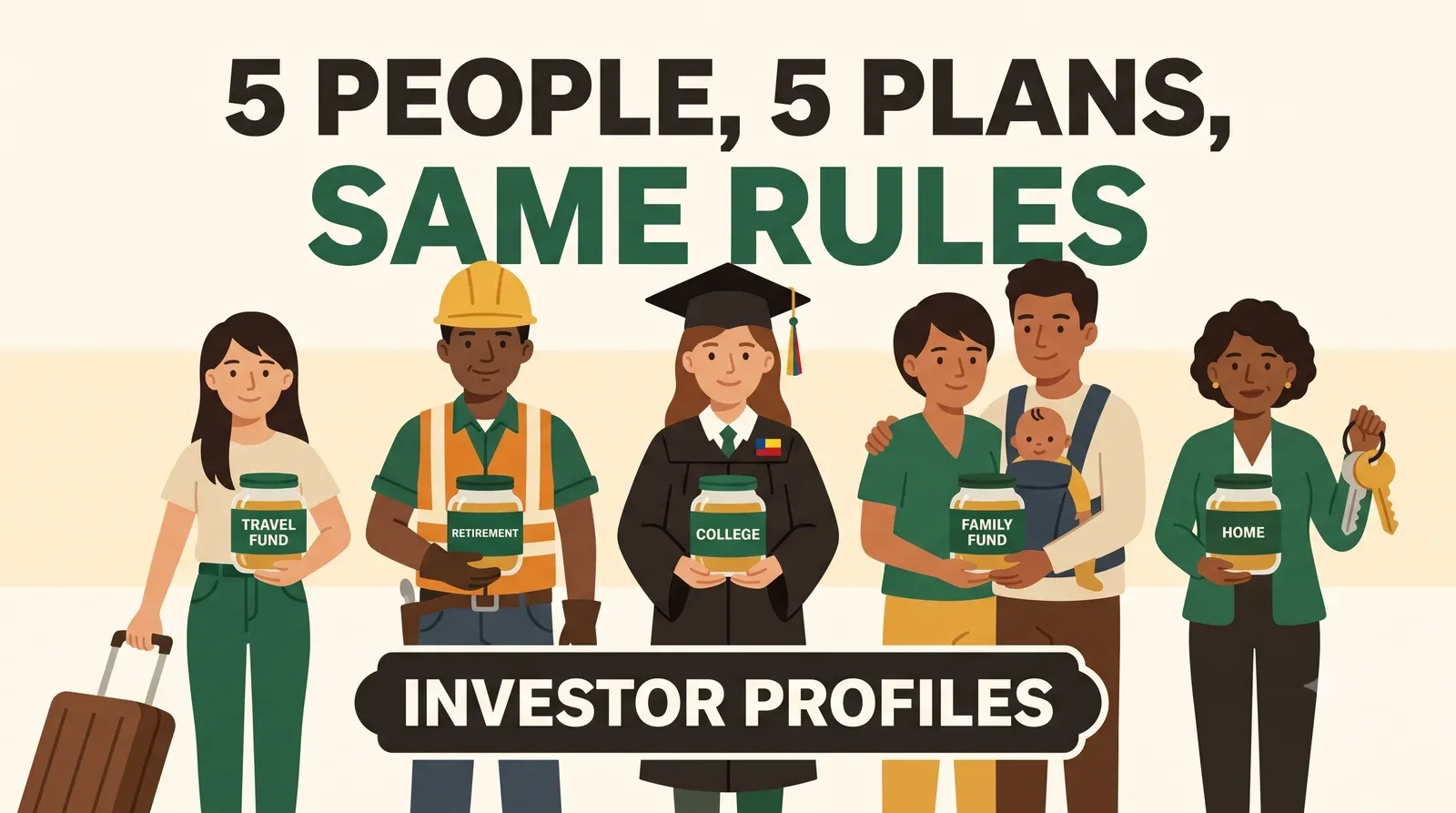
Five investors, five plans: profile stories
A newcomer with $5,000, a temporary worker, a fresh graduate, a young family, a first-home saver — how the accounts and building blocks combine in five real-life situations.
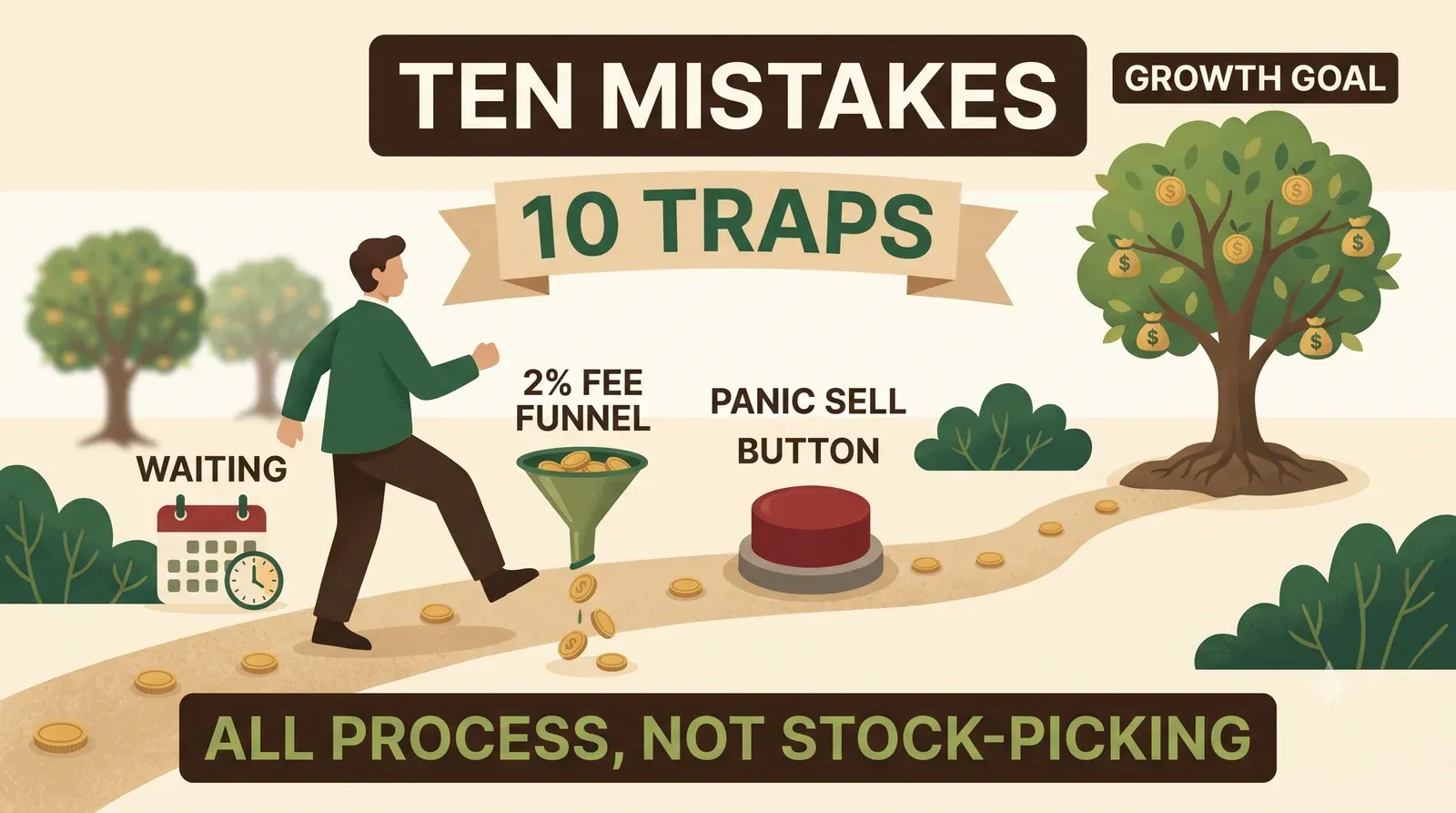
Ten mistakes beginners actually make (and how each one is avoided)
Not exotic trading errors — ordinary, expensive missteps: over-contributing, withdrawing instead of transferring, paying 2% without knowing, selling in a panic. The full list.
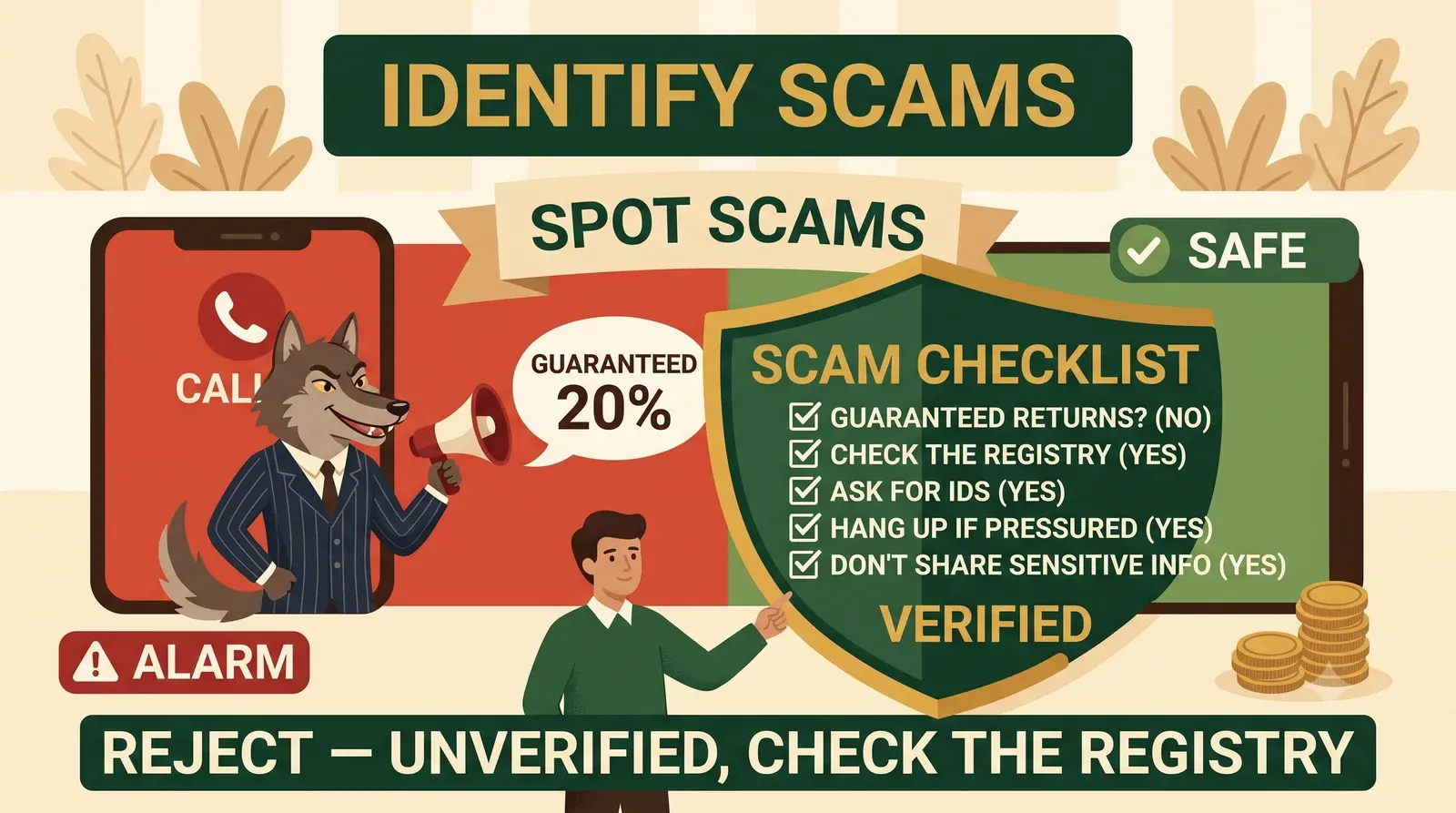
How to spot financial scams targeting newcomers
Scammers target newcomers deliberately — in their own language, impersonating the CRA and immigration, promising guaranteed returns. The red flags, the scripts, and what to do.
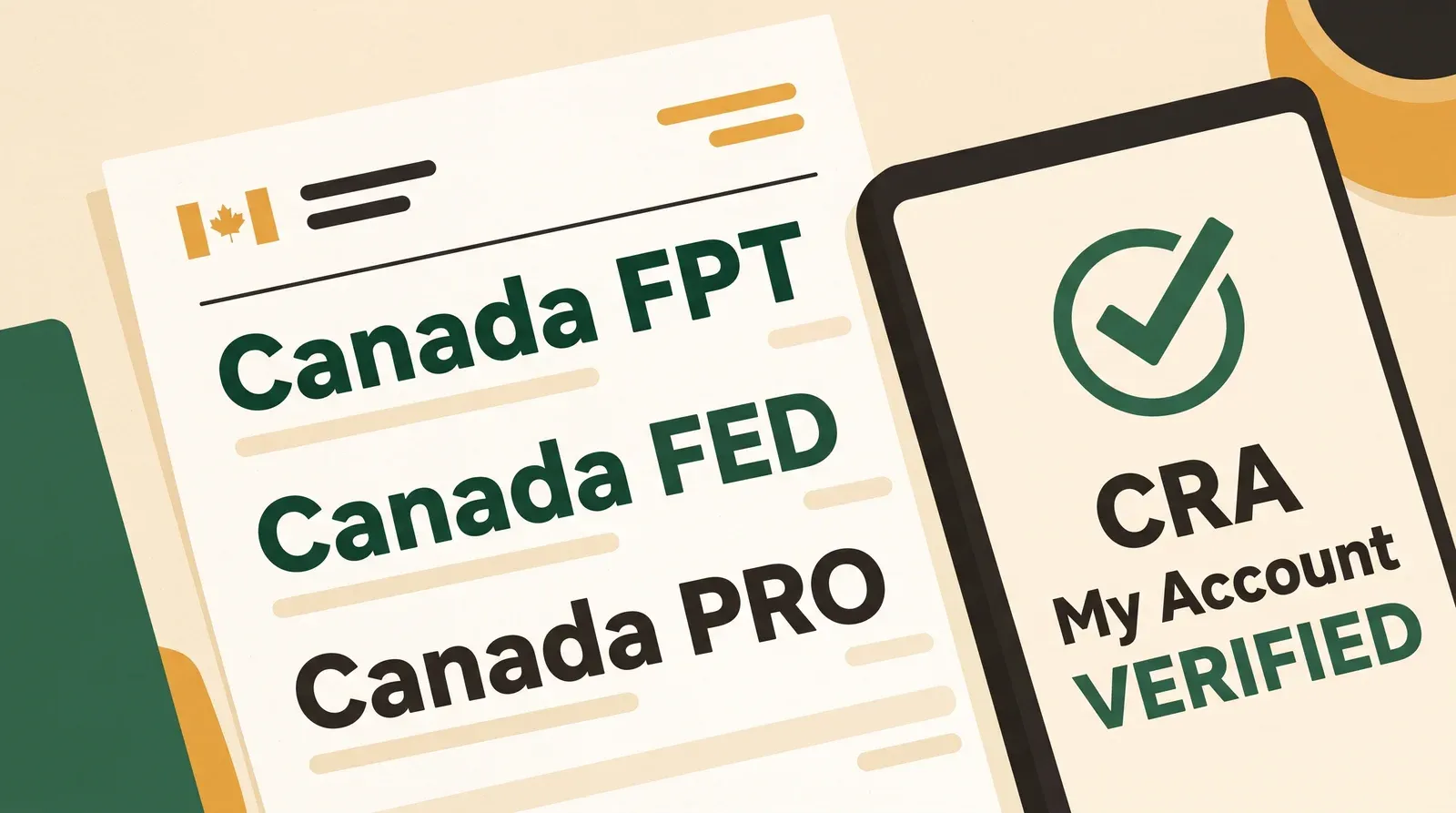
Government deposits on your bank statement: what they are and how to check
Canada FPT, Canada FED, Canada PRO: what government deposit labels on a Canadian bank statement usually mean, which benefits sit behind them, and how to confirm a deposit is real in CRA My Account.