Learn how investing works in Canada
TFSA, RRSP, FHSA, ETFs — plain-language guides for beginners and newcomers, in English and Ukrainian.
About the projectStart here: the beginner's journey
Short guides in reading order — from your first documents in Canada to your first account.
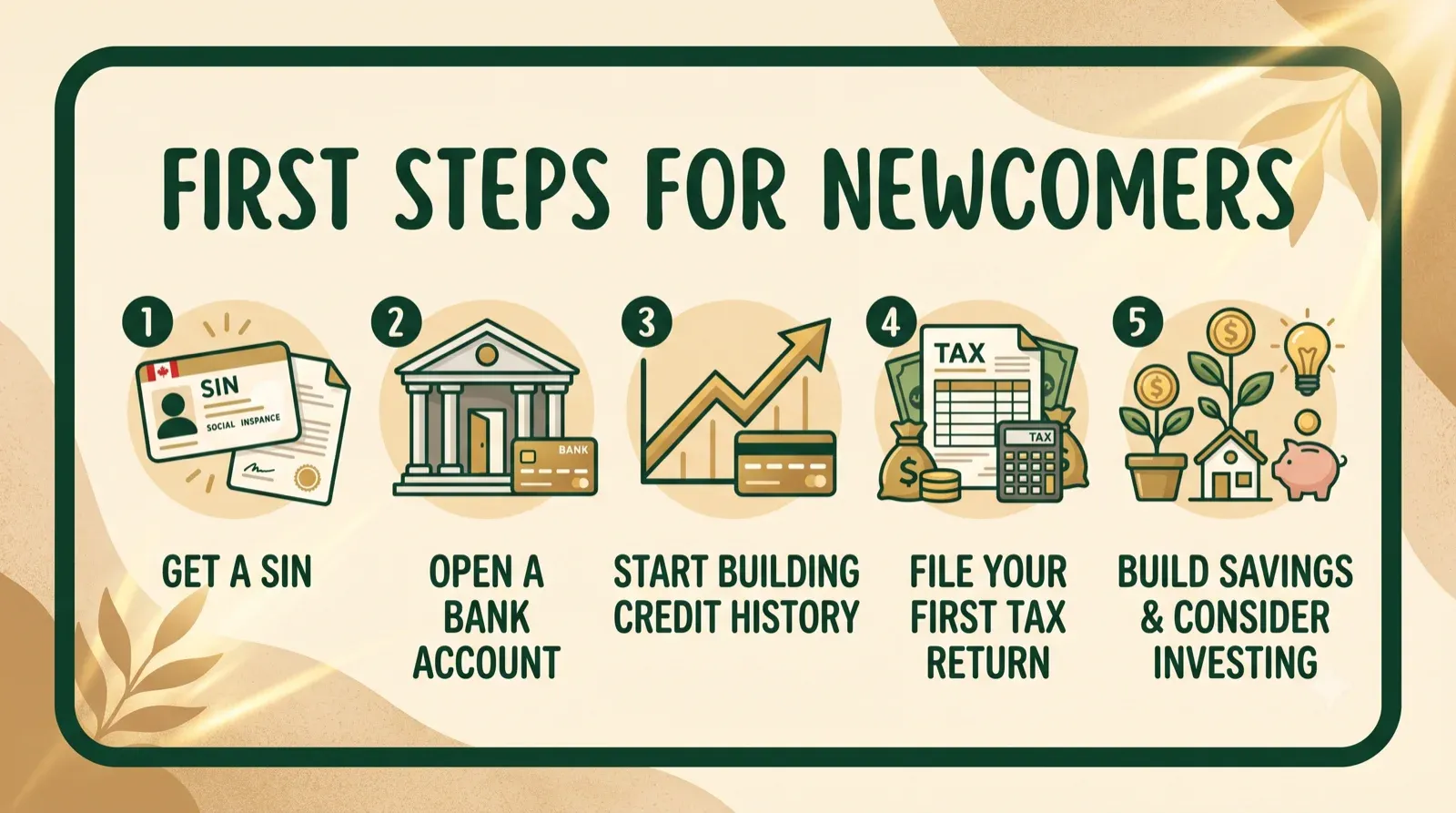
First steps for newcomers: SIN, bank account, credit history
The practical setup every newcomer completes before investing: getting a SIN, opening a bank account, understanding credit history, and filing your first tax return.
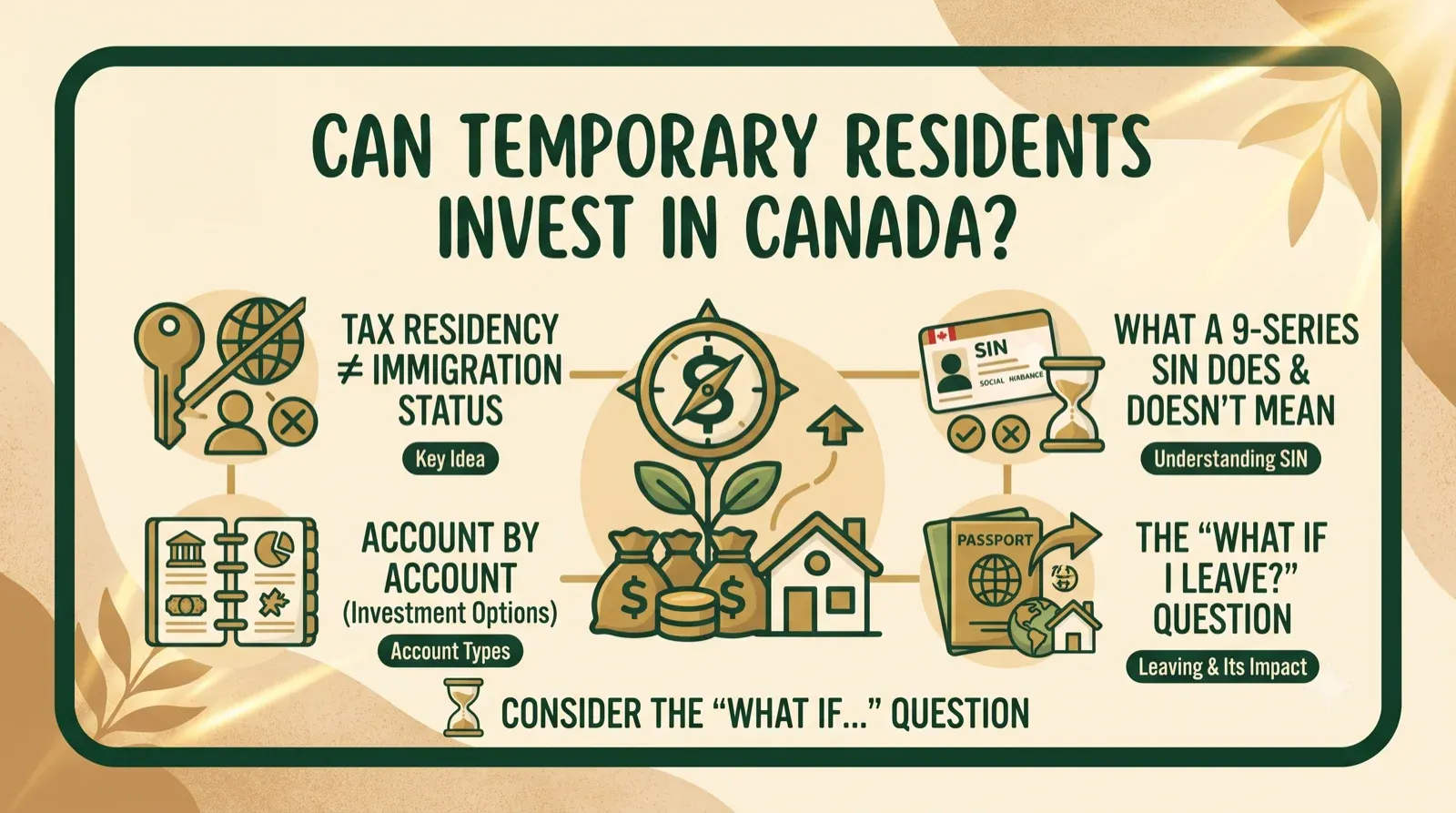
Can temporary residents invest in Canada?
Work permit, study permit, SIN starting with 9 — what actually decides whether you can open a TFSA or RRSP is tax residency, not immigration status.
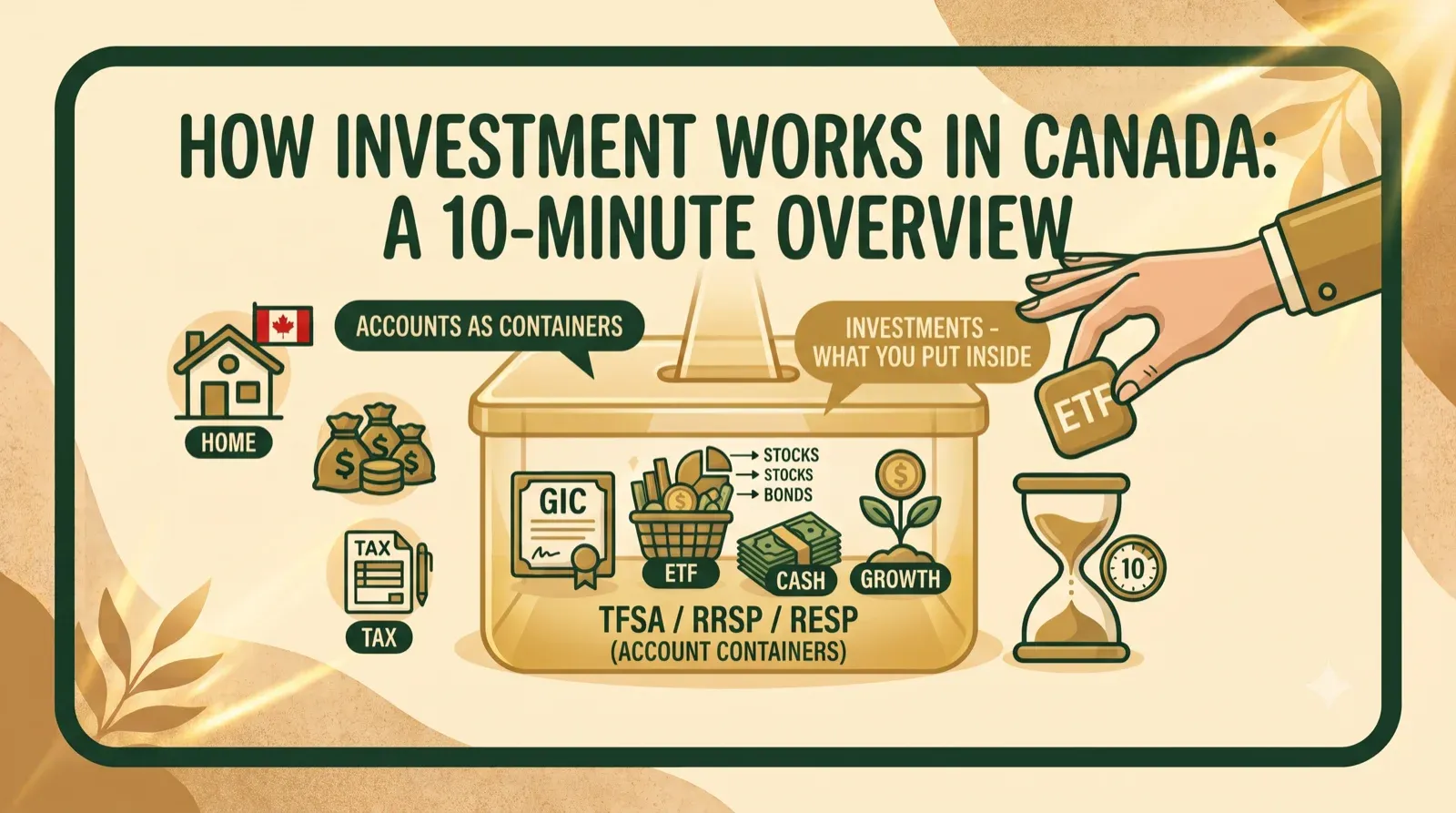
How investing works in Canada: a 10-minute overview
Accounts are containers, investments go inside them. Once you see the Canadian system this way, TFSA, RRSP, and ETFs stop being confusing.
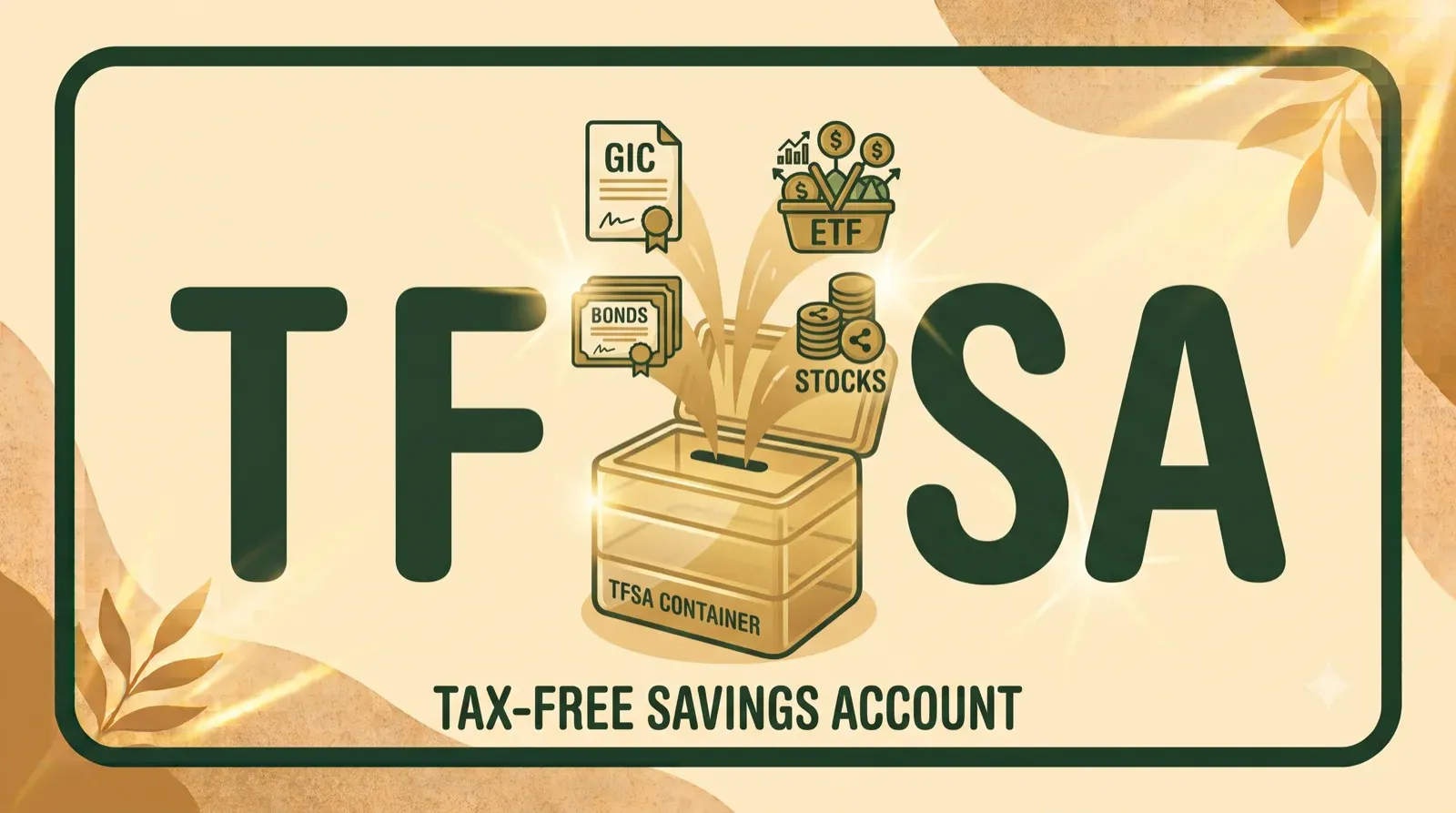
TFSA explained: the tax-free container almost everyone starts with
How the Tax-Free Savings Account really works: contribution room, the January 1 rule, what you can hold inside — and the mistakes that cost beginners money.
Latest articles
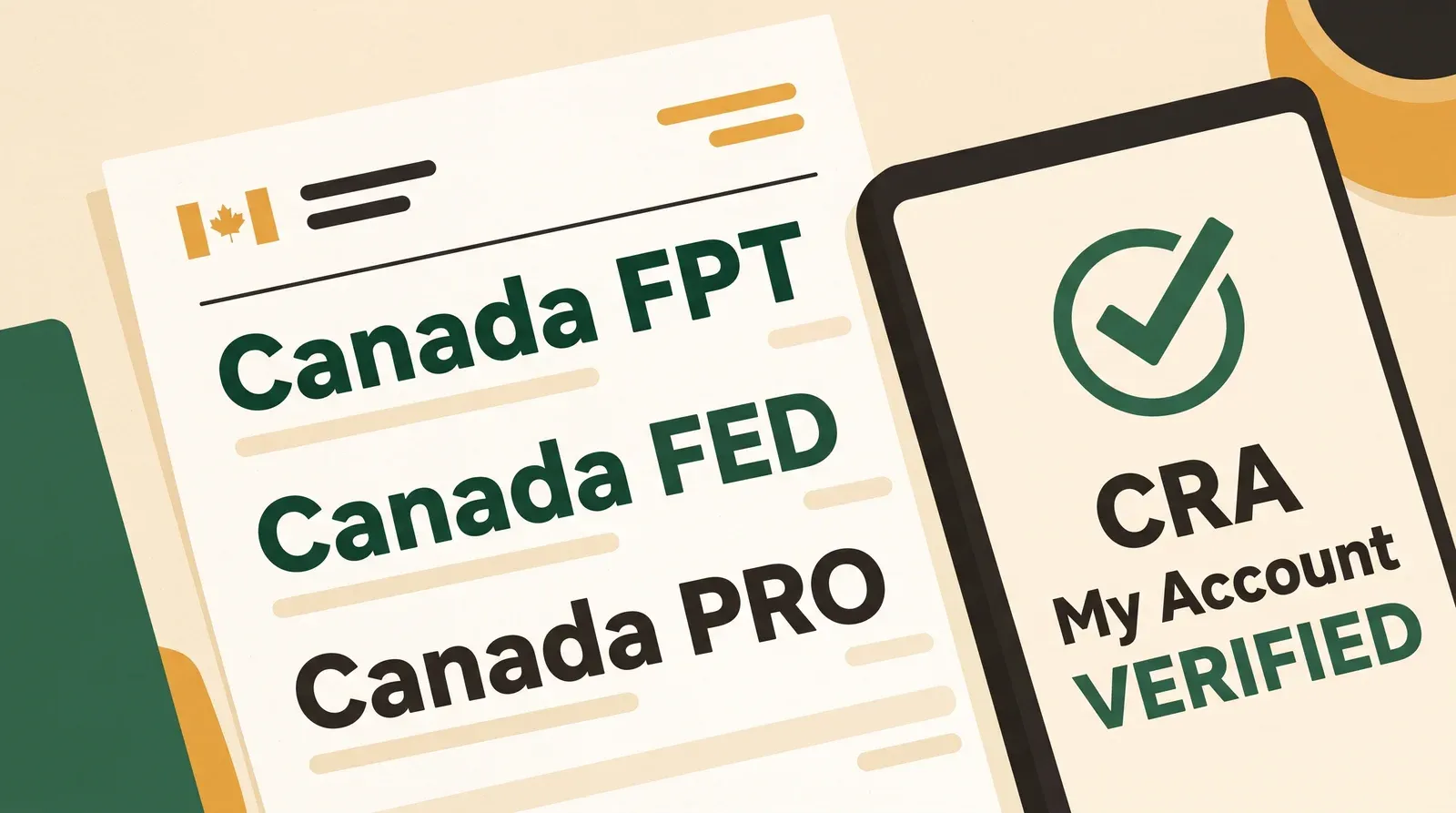
Government deposits on your bank statement: what they are and how to check
Canada FPT, Canada FED, Canada PRO: what government deposit labels on a Canadian bank statement usually mean, which benefits sit behind them, and how to confirm a deposit is real in CRA My Account.
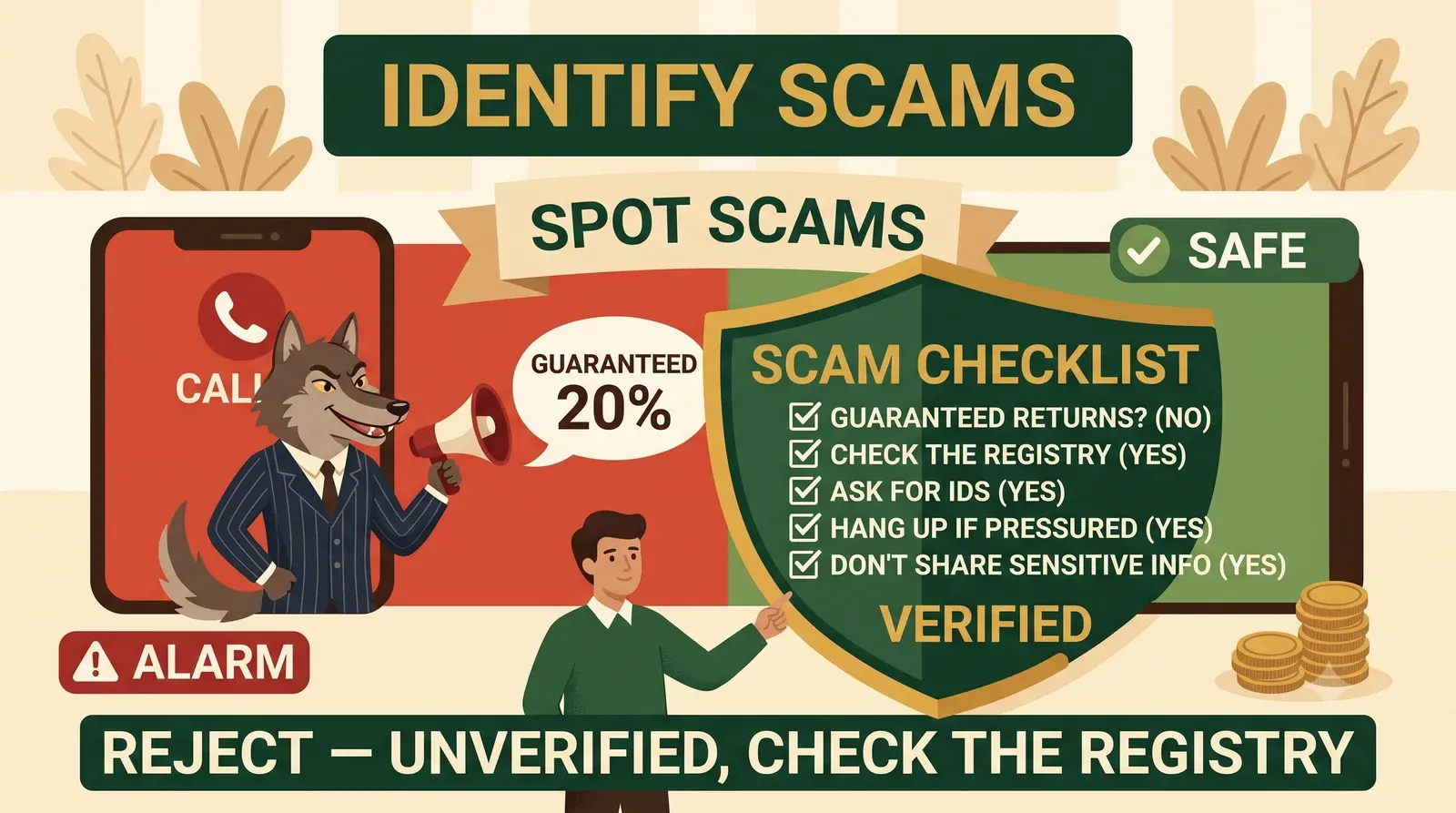
How to spot financial scams targeting newcomers
Scammers target newcomers deliberately — in their own language, impersonating the CRA and immigration, promising guaranteed returns. The red flags, the scripts, and what to do.